
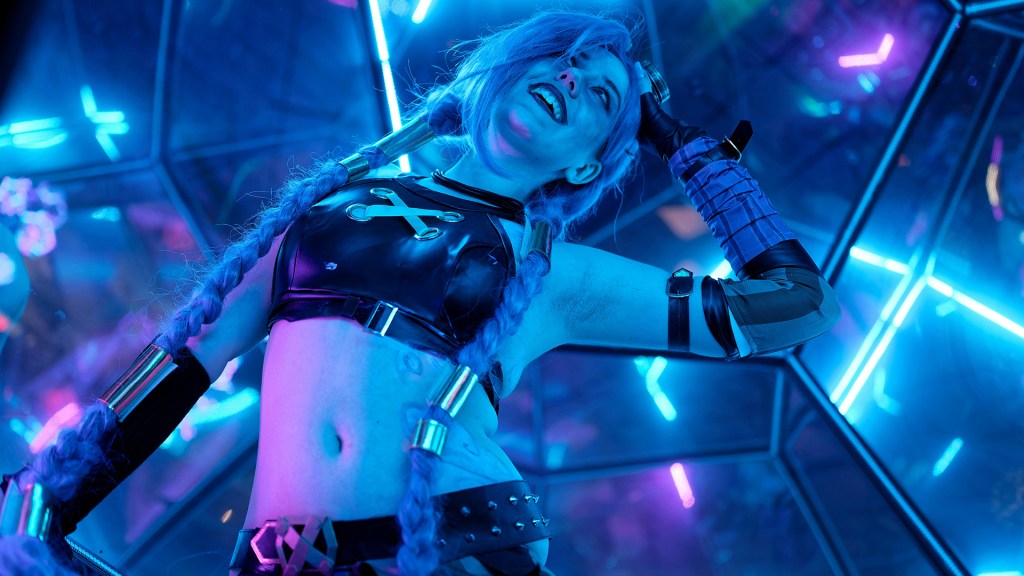
Costume design is storytelling. The strongest cosplays don’t just replicate appearance—they communicate character.
Cosplayers are artists, translating characters through their own lens. In that process, something interesting happens: the design begins to reveal itself. Not just what a character looks like—but how they work.
This piece explores that idea through three lenses:
Emotion
How design makes us feel before we think
- Designed to provoke
- Distorts the familiar
- Signals threat before action
Identity
Who the character is—alone or as part of something larger
- Collective
- Individual
- Readable at a glance
Survivability
What remains when the artist changes
- Silhouette carries identity
- Core traits outlive style
- Recognizable across artists
These principles don’t just exist in theory—they appear clearly when we look at how costumes are built to affect us.
Fear Created by Design
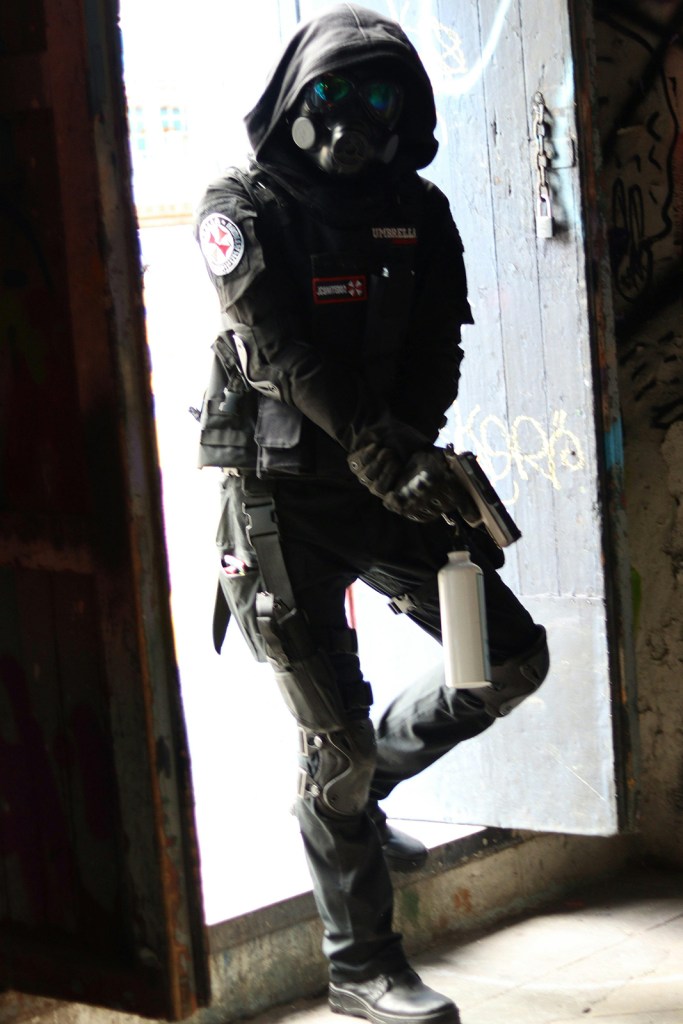
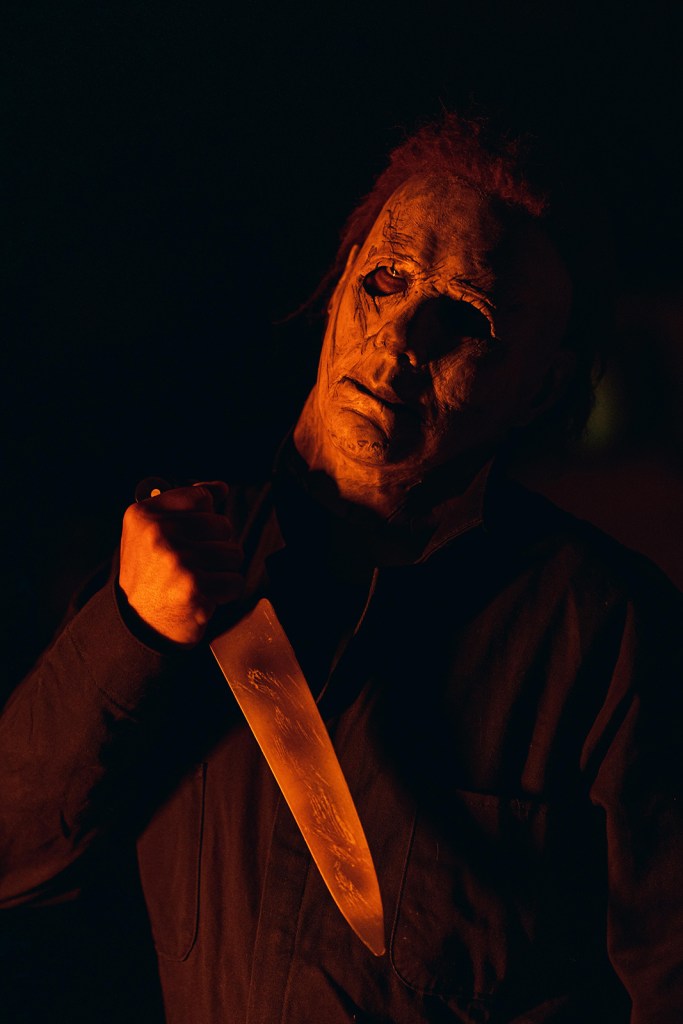
EMOTION: These designs share a foundation: obscured identity and a human form that feels almost right.
Both rely on the uncanny valley—the discomfort of something nearly human, but not quite. It’s not humanity that unsettles us—it’s its distortion. Our instincts sharpen. We search for what’s wrong.
And we find it.
Despite being more visibly armed, the Umbrella Agent is less frightening. A single detail softens him: a name tag. It suggests identity—structure, purpose, belonging. Humanizing.
Michael Myers offers none of that.
He exists behind layers until even the idea of a human face becomes unreadable. We know his name only through fear. There is no context to soften him—only presence.
Individual and Collective
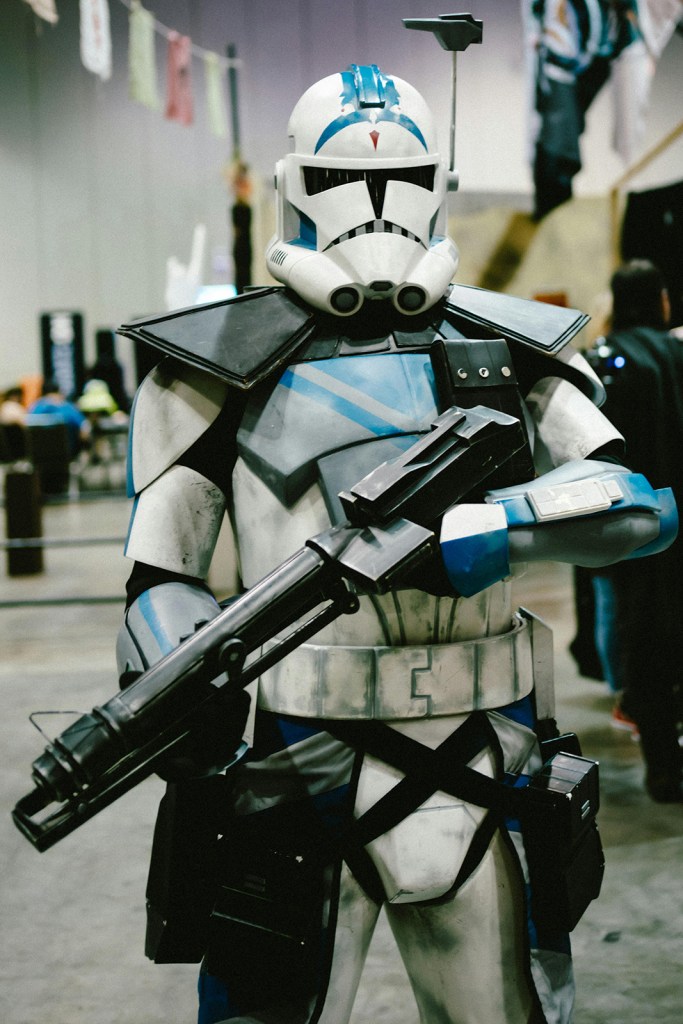
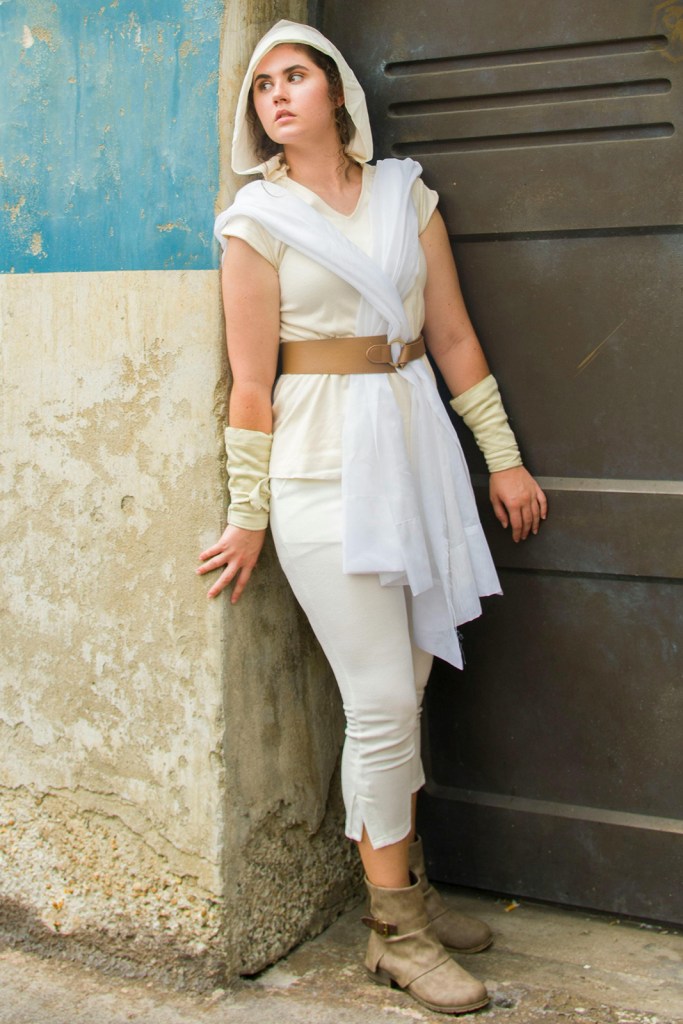
IDENTITY: Some costumes erase identity. Others reveal it.
The trooper’s uniform armor creates a system of visual uniformity—each figure interchangeable, absorbed into something larger. Individuality is intentionally suppressed in favor of cohesion and control.
Rey’s design does the opposite.
Her layered fabrics, exposed face, and asymmetrical construction communicate a personal story. Adaptability, growth, and survival are built directly into what she wears. She is not part of a system—she is the result of one.
Where one design speaks in the language of unity, the other speaks in the language of becoming.
And both are immediately readable.
Character Survives Interpretation
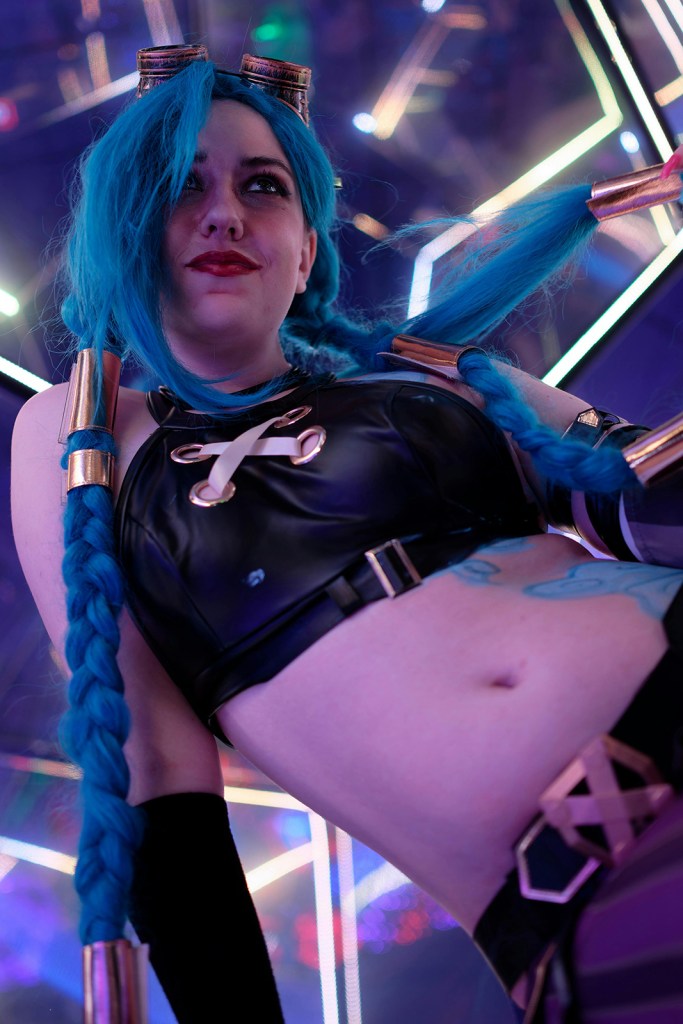
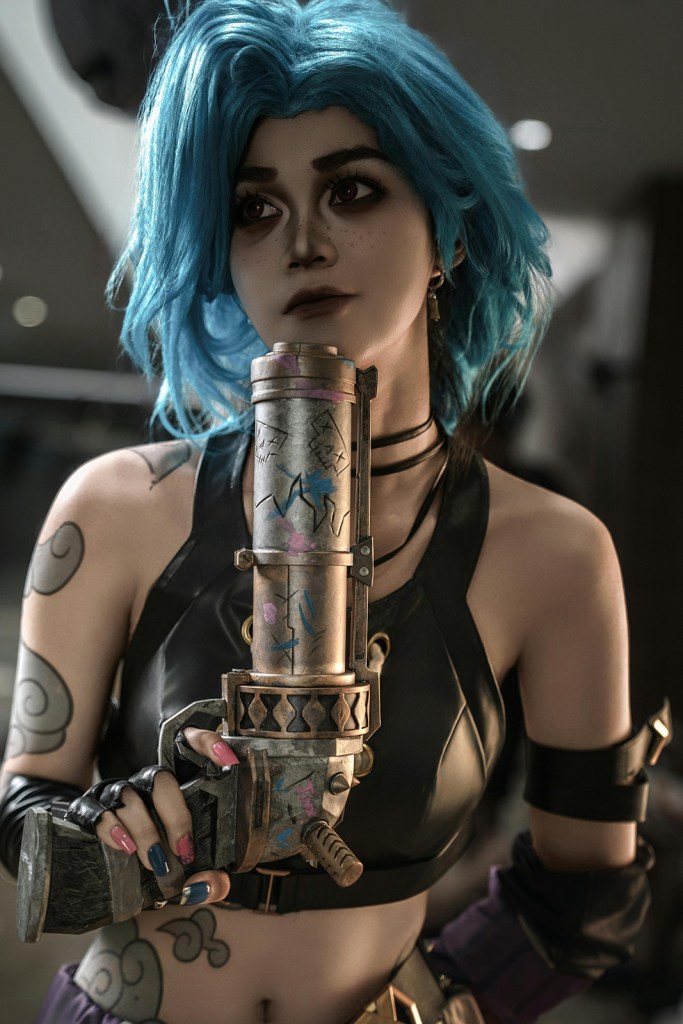
SURVIVABILITY: Some characters are built so well that they survive translation.
Jinx is one of them.
In one portrayal, Arcane’s painterly style is pushed forward. Stylized face paint mimics fractured lighting and exaggerated shading, amplifying expression until it feels unstable—volatile. The character doesn’t simply appear; she erupts into the frame.
In another, the approach is more restrained. The emphasis shifts to structure: the braids, the silhouette, the placement of her gear. The performance is grounded and immediately recognizable without relying on stylization.
And yet—both are unmistakably Jinx.
This is where design proves its strength. Success is not measured by how closely a character can be copied, but by how well it can be reinterpreted without losing itself.
The cosplayer is not replicating the character—they are translating her.
And in that translation, the core survives.
Conclusion
Costume design is not decoration—it is structure.
It tells us what to feel, who a character is, and whether that character can endure beyond a single portrayal.
The strongest designs don’t depend on accuracy.
They survive interpretation.
 The Fabled Line
Leave a comment